OPEN HOUSE
About
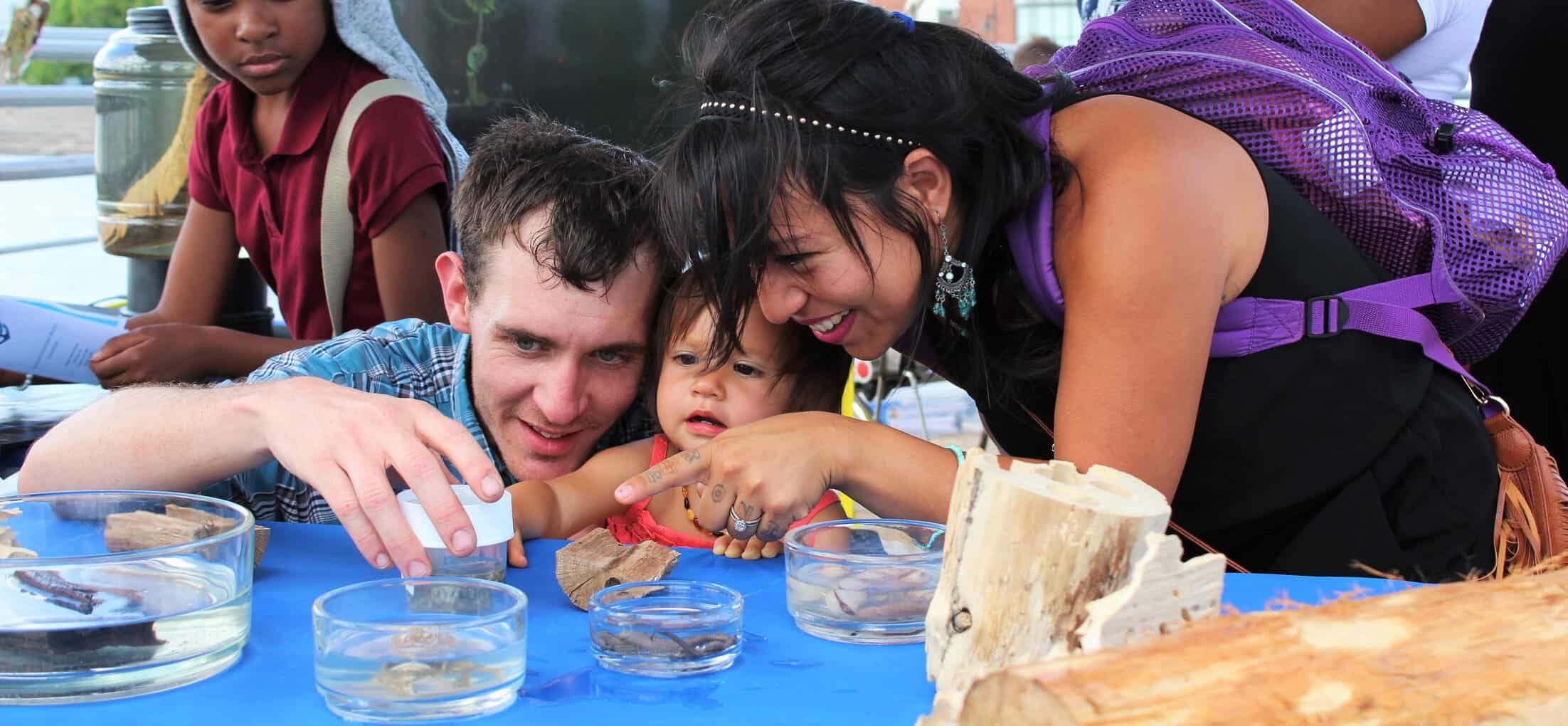
LUMCON is once again opening its doors to the community during this one-day event at the Marine Center in Cocodrie. Join LUMCON scientists and educators in a fun-filled day dedicated to showing you what LUMCON’s all about! Learn more about Louisiana’s amazing coastal marine laboratory, research vessels, marine science, and how you can become part of it all with LUMCON. Whether you’re a curious student, an educator, a family looking for a fun and educational outing, or someone who simply loves Louisiana’s coast, there’s something for everyone at LUMCON’s Open House!
Date: Saturday, March 28, 2026
Time: 9:00 AM – 3:00 PM
Location: DeFelice Marine Center 8124 Highway 56 Cocodrie, LA
Event Highlights:
- Research lab tours with our science staff
- Hands-on activities
- Story times and children’s play performed by LUMCON staff and students
- A scavenger hunt for kids ages 3-15
- Dockside tours of our research vessels
- A live marine invertebrate touch tank
- FREE lunch (served from 11 AM- 1 PM while supplies last)
Event Notes:
- Admission is completely free — everyone is welcome! Come curious. Leave inspired.
- To reduce plastic, please be sure to bring your water bottles. There will be places to fill them.
Don’t miss the latest news about LUMCON’s Open House! Click the button and fill out the Google Form to join our email list for updates, details, and special event information as they become available.
Sneak Peek
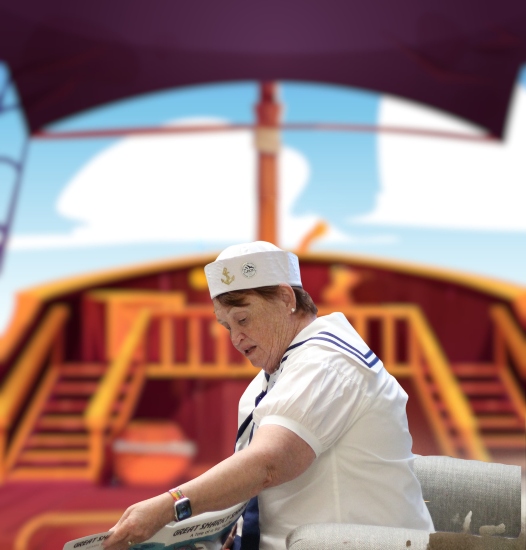
Story Time with Sailor Sal
Ahoy, young adventurers! Sailor Sal returns to delight attendees with lively and interactive story times filled with tales of the sea, daring adventures, and hidden treasures.
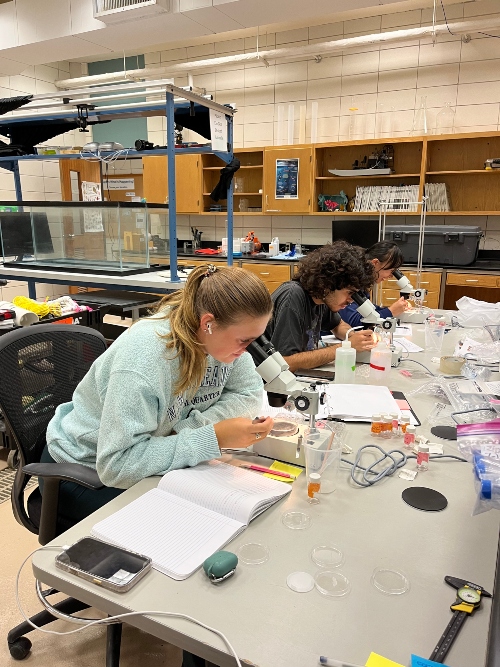
Archer Benthic Ecology Lab
Did you know that fish talk? Just like you and me, fishes and invertebrates like shrimp use sound to talk about where food is, where their friends are, and to figure out who wants to go on a date! Join us in the Archer Benthic Ecology Lab to hear what some of the most common fishes and invertebrates on our oyster reefs sound like and see if you can match the sound to the animal that made it.
Du Clos Ocean Biofluids Lab
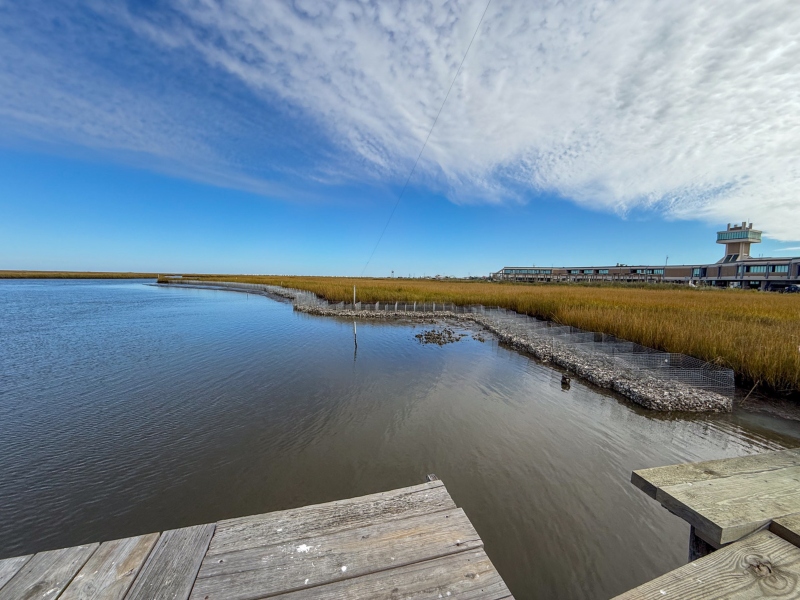
Come join the Ocean Biofluids Lab to see how water flows over a simulated oyster reef and learn how currents build oyster reefs.
Steinmuller Coastal Biogeochemistry Lab
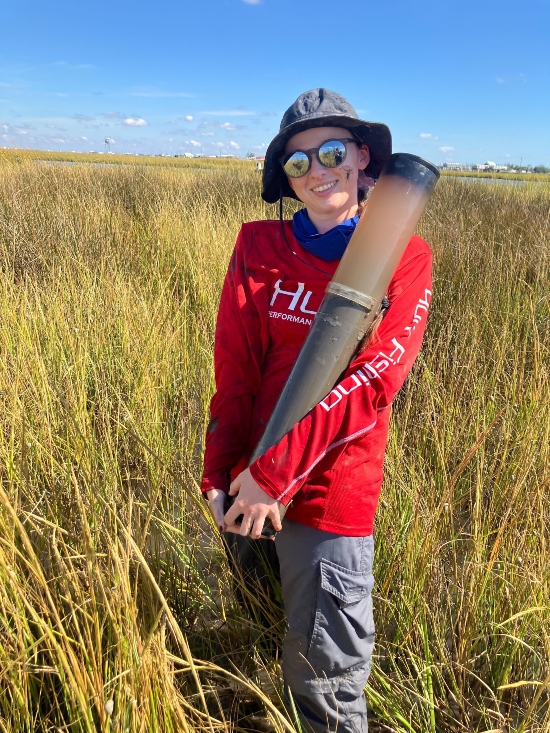
Get hands-on with coastal soils, and explore how mud, sand, and organic matter come together to build wetlands. We’ll demonstrate simple ways scientists measure soil texture, grain size, and strength, and show how these physical properties act as indicators of soil “health” and wetland resilience.
The Roberts Lab of Ecosystem Ecology and Biogeochemistry
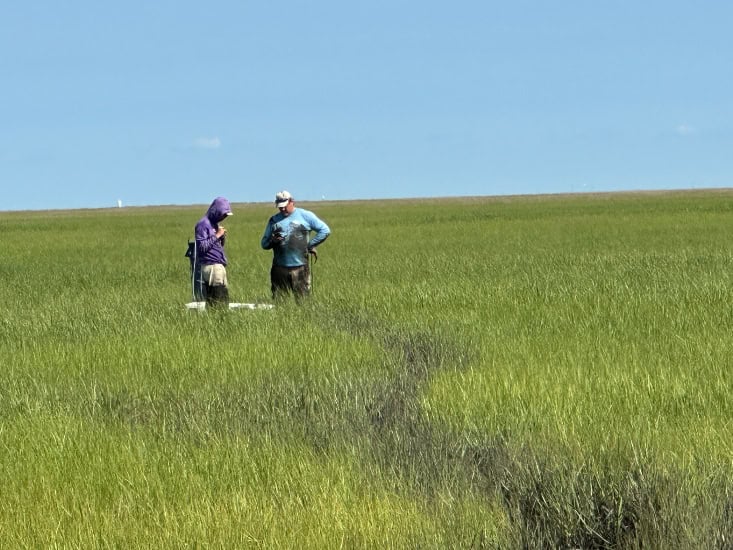
Have you ever wondered what exactly wetland scientists do in the marsh? Stop by the Roberts Lab of Ecosystem Ecology and Biogeochemistry to explore the distinctive plants that thrive in our coastal marshes and watch demonstrations of how we measure greenhouse gasses!
Archer Benthic Ecology Lab
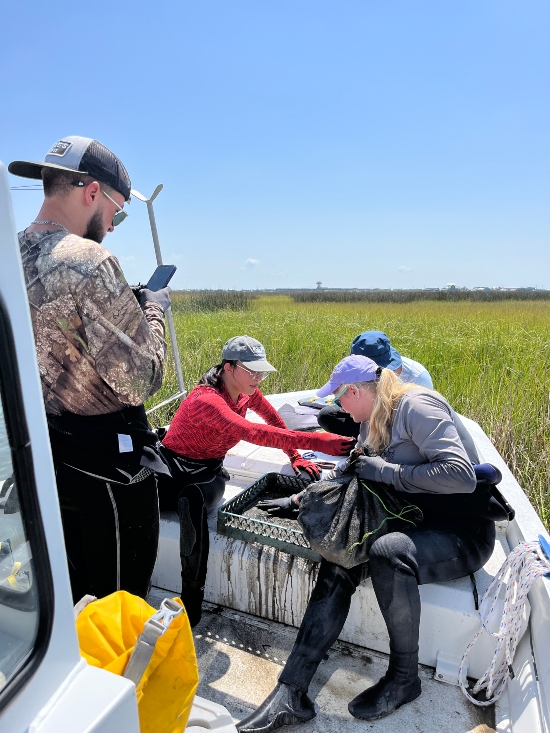
Did you know that fish talk? Just like you and me, fishes and invertebrates like shrimp use sound to talk about where food is, where their friends are, and to figure out who wants to go on a date! Join us in the Archer Benthic Ecology Lab to hear what some of the most common fishes and invertebrates on our oyster reefs sound like and see if you can match the sound to the animal that made it.
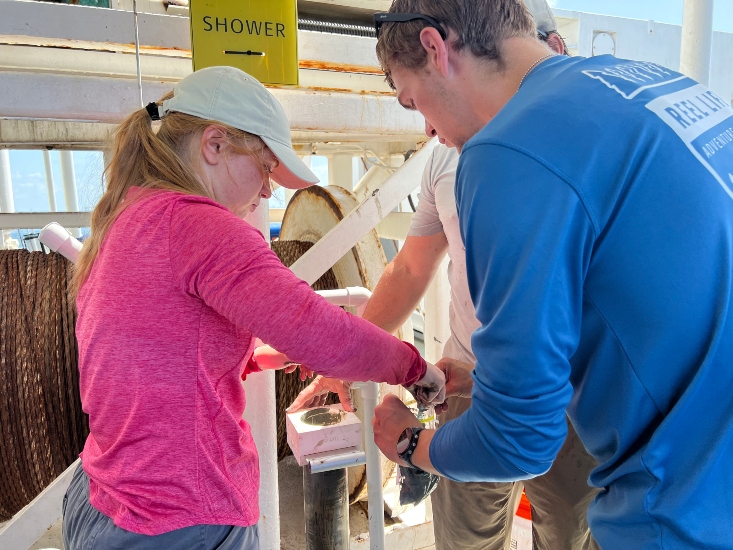
Steinmuller Coastal Biogeochemistry Lab
The lab will have interactive activities demonstrating how the ground beneath our feet helps protect coastlines and support vibrant coastal ecosystems.

Du Clos Ocean Biofluids Lab
Come join the Ocean Biofluids Lab to see how water flows over a simulated oyster reef and learn how currents build oyster reefs.
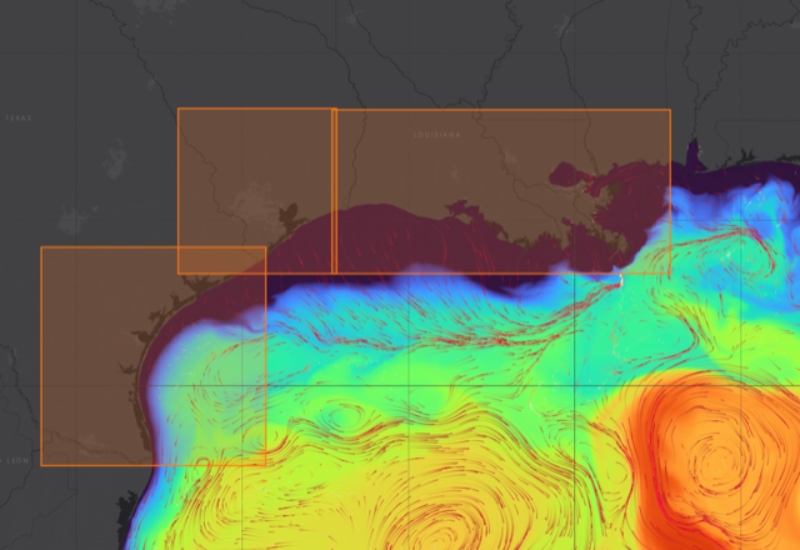
Zang Ocean Modeling Lab
Not all oceanographers need to get wet to study the ocean. In our Ocean Modeling Lab, we use computers, maps, and real ocean data to build virtual oceans that help us understand how water moves, how plankton grow, and how marine life responds to the changing environments. Join us to see how scientists turn numbers into ocean stories—and how models help predict the future of our seas.
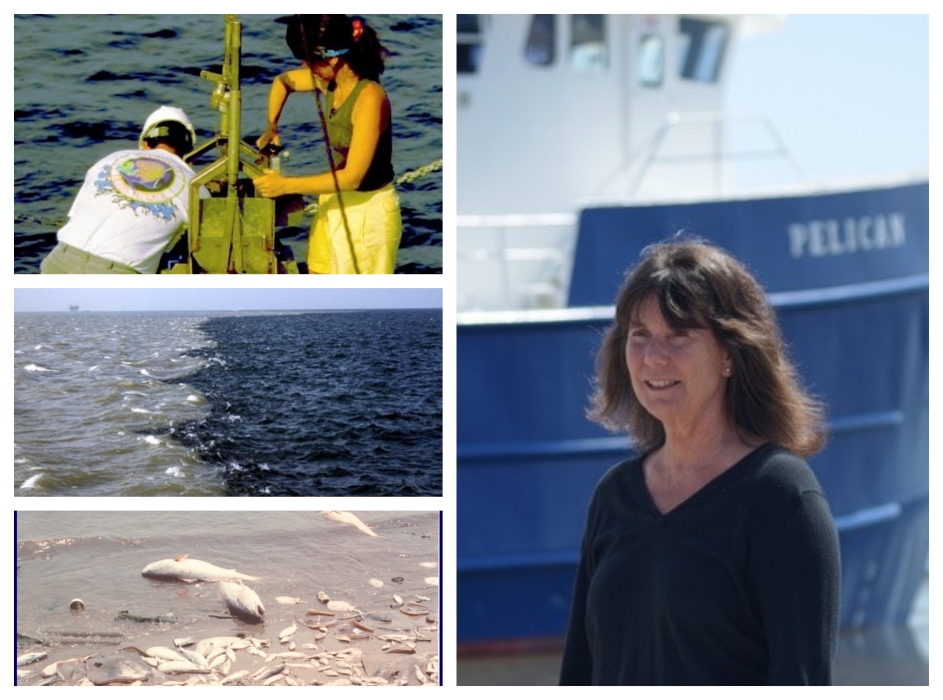
“The Dead Zone: Why It Is Not Dead”
Research in Focus – Presentation by Dr. Nancy Rabalais
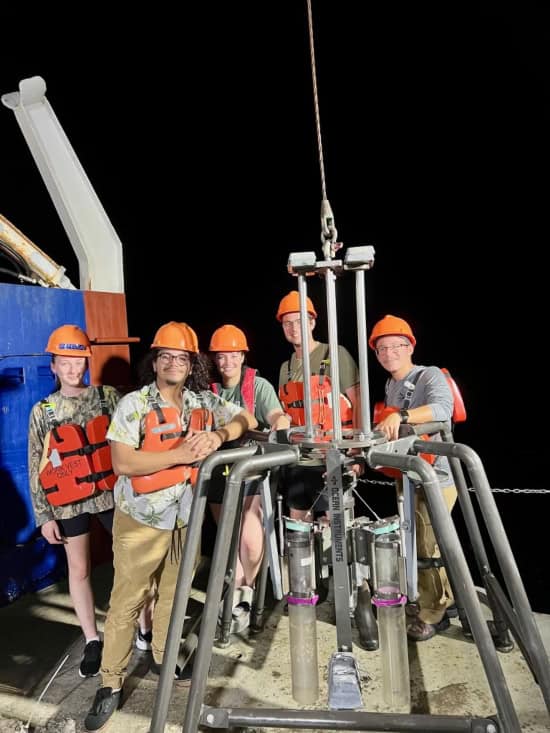
The Roberts Lab of Ecosystem Ecology and Biogeochemistry
Wetland scientists… out at sea! The Roberts Lab of Ecosystem Ecology and Biogeochemistry doesn’t just focus on coastal marshes—we also investigate biogeochemical cycling (that’s the movement or recycling of essential nutrients between living organisms and the environment) offshore in the Gulf. Join us for exhibits on benthic primary production as well as water quality demonstrations!